Special Topics Module 1

Research & Activity Documentation

Gabriela Gonzalez

Project 1


Module 1

This section outlines the exploration and experimentation phase of our project, detailing the steps we took to define our direction, refine our approach, and arrive at our final concept.


Activity 1

For Activity 1, I explored each topic to gain a better understanding of what they involved, which helped me determine which path I wanted to pursue.
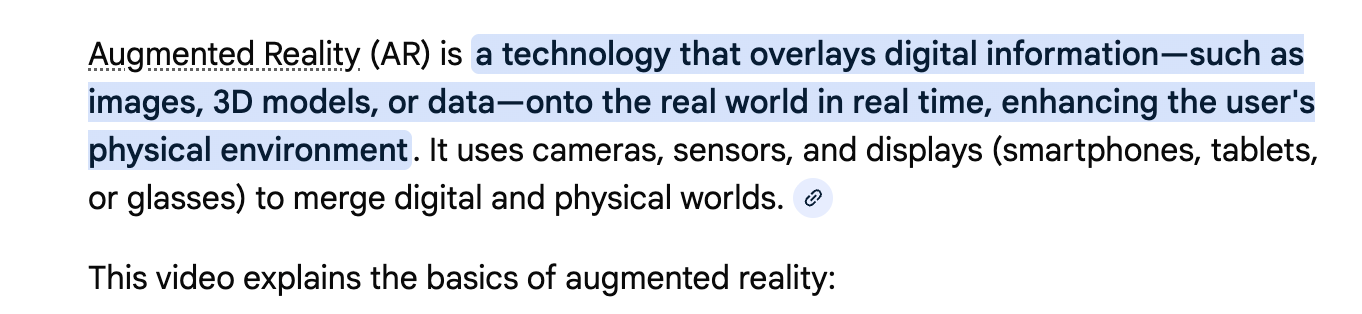
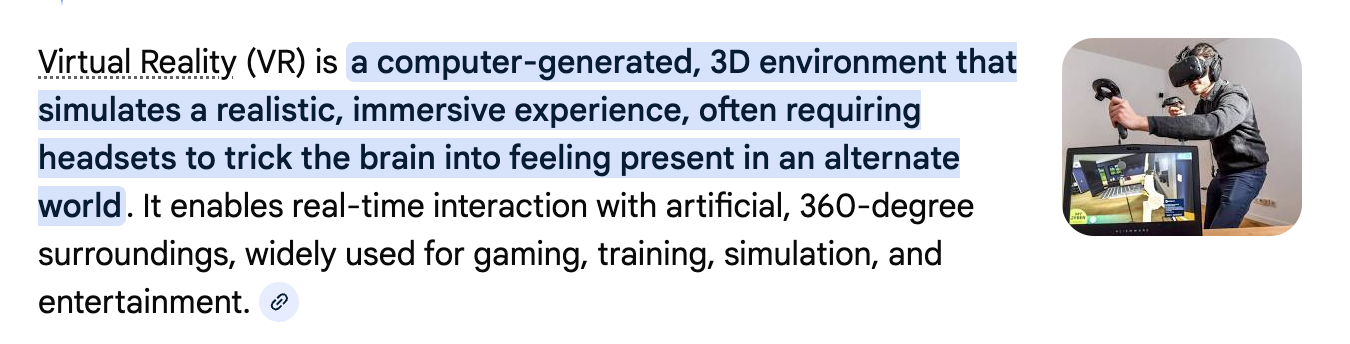
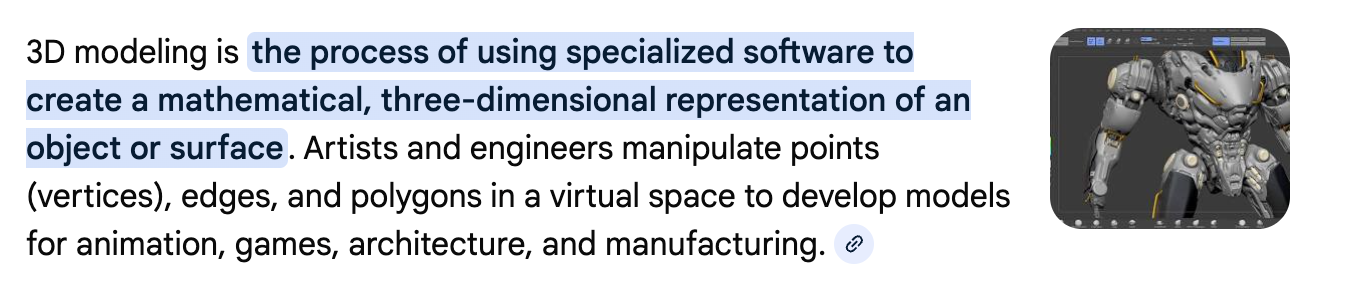
Here I did some research on AR to understand what exactly it was. Here I did the same as I did for the AR, but for VR, just to understand the differences between the two and how I could possibly use them for a project. Here, I just did research on 3D modeling just because I've done it in the past, but just to get some more clarity, so I did research on that.

Activity 2

This section outlines our work for Activity 2 and explains how it led to the ideation and brainstorming of our project ideas.
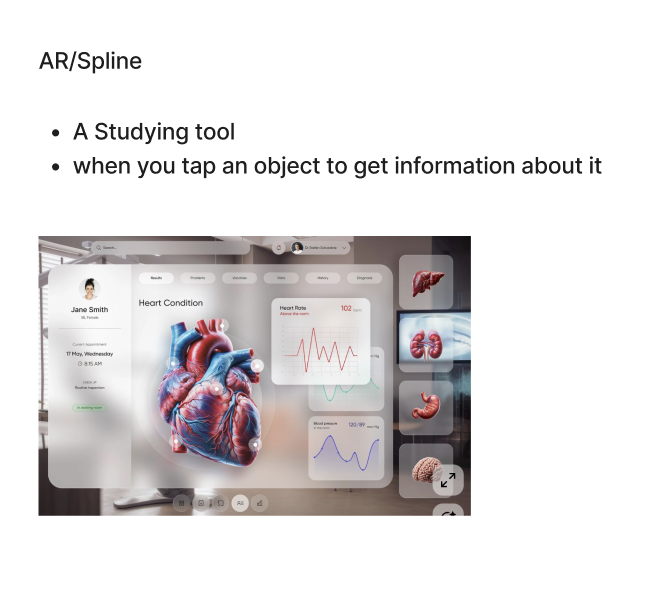
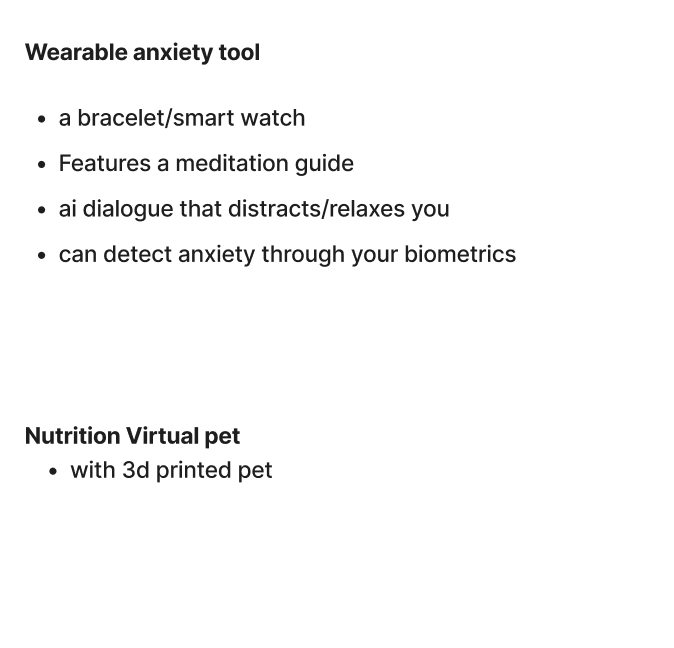
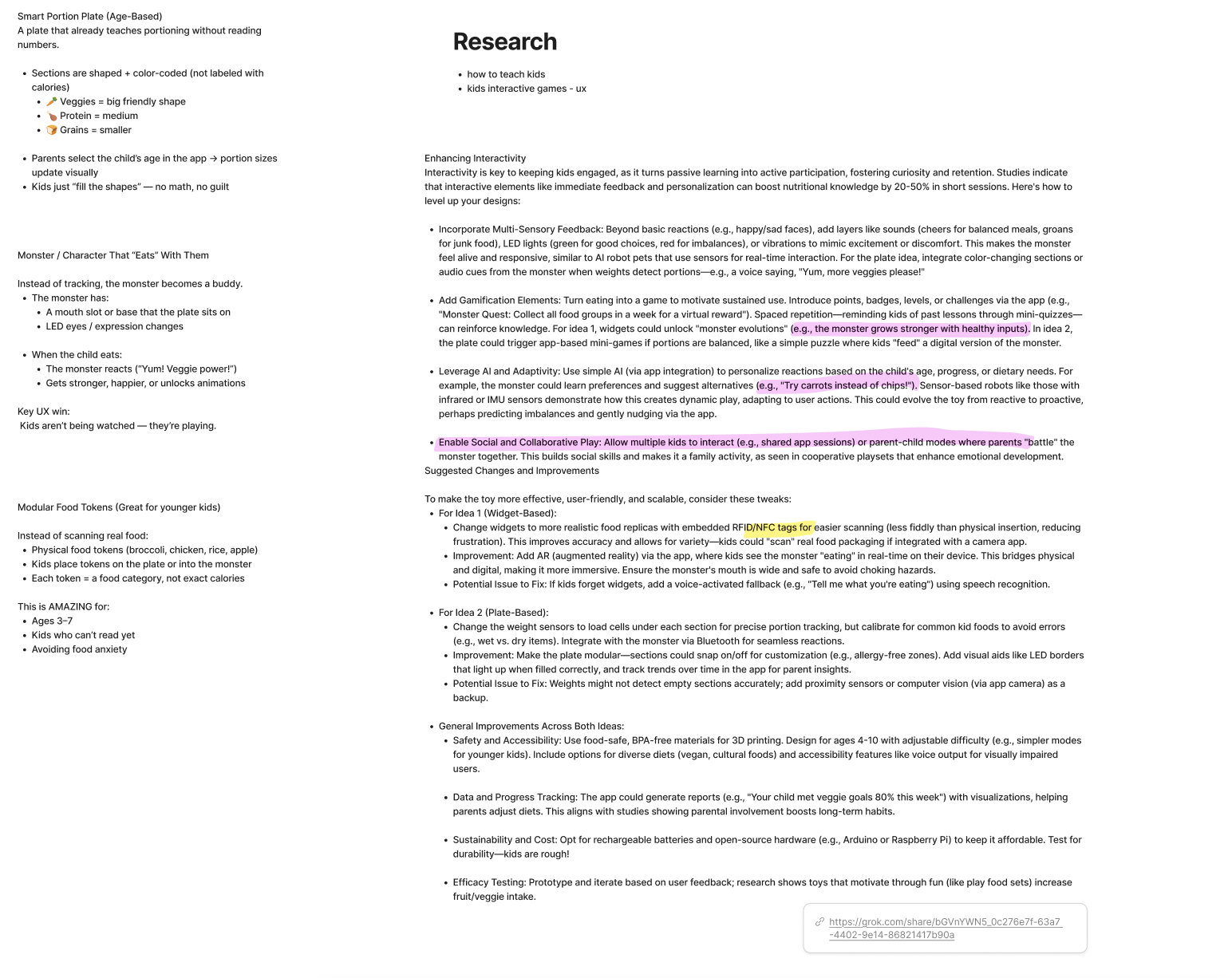
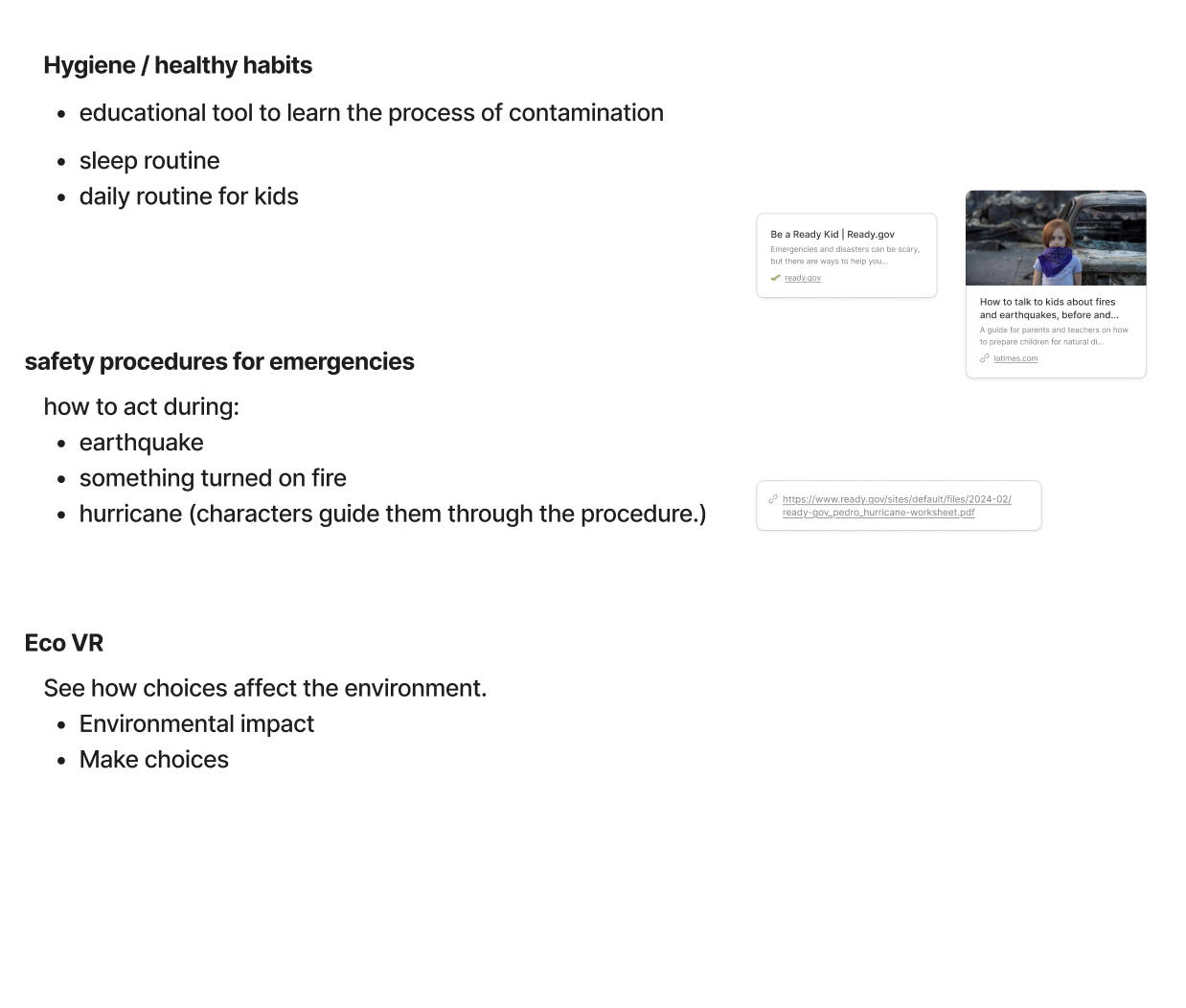
Here we had an idea to use AR or VR to create a study tool for those who are more of a visual learner, as well as to make it more fun and interactive, and even for certain training purposes, it would be helpful as well. Here are some of our other ideas, which include a wearable anxiety watch that people can use to help them identify when they're most anxious, as well as a nutritional app for children. Here we did some web searching as well as used AI to help us do some more research to clarify and narrow our idea for the nutritional website/application. Here we continue to do more research, but specifying it more towards children's diet, just get a better understanding of how we could actually make it practicable for children and parents.

Workshop 1

These workshops were conducted in class to help refine our ideas and strengthen our ideation process, allowing us to identify and address any gaps in our thinking.
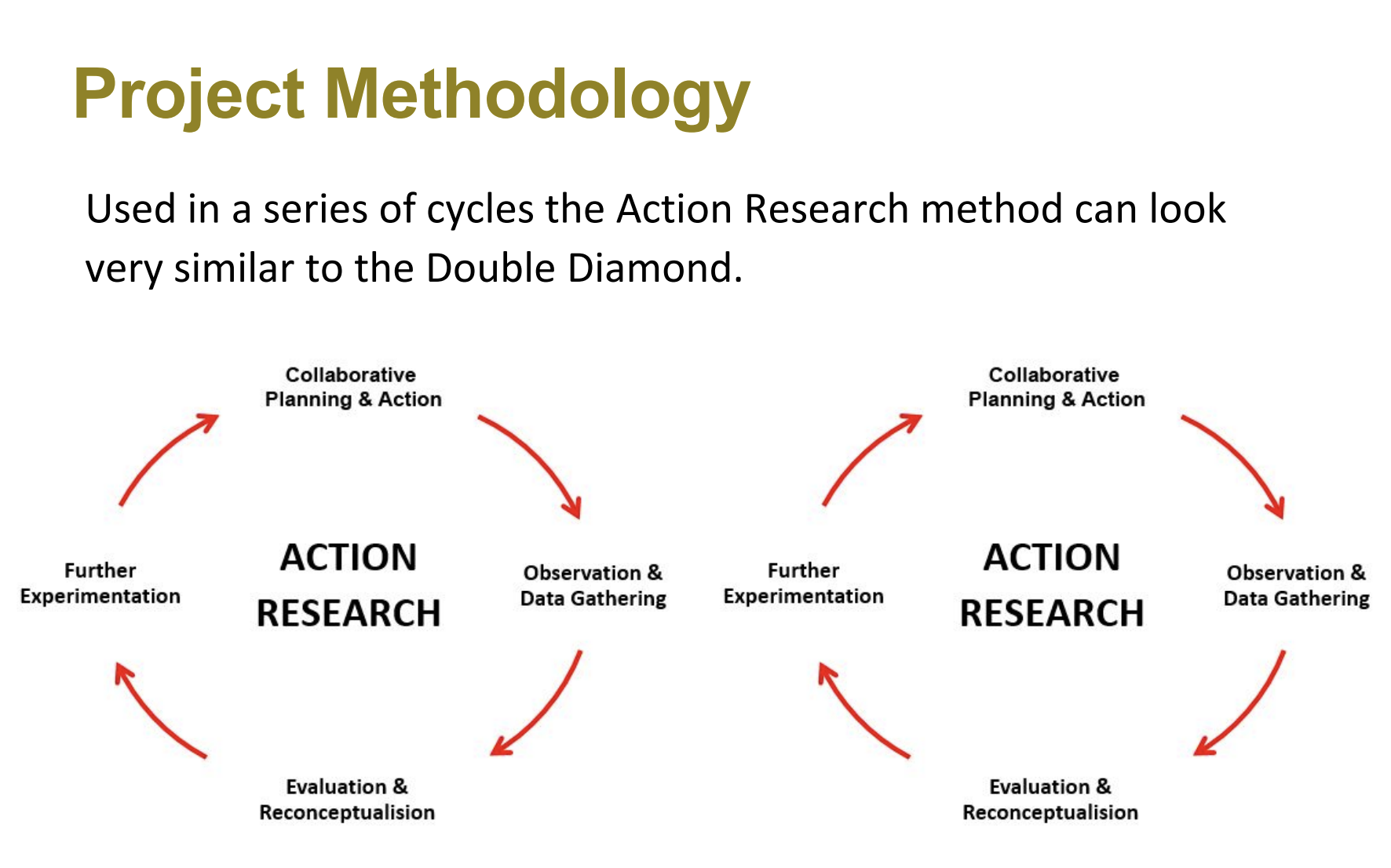
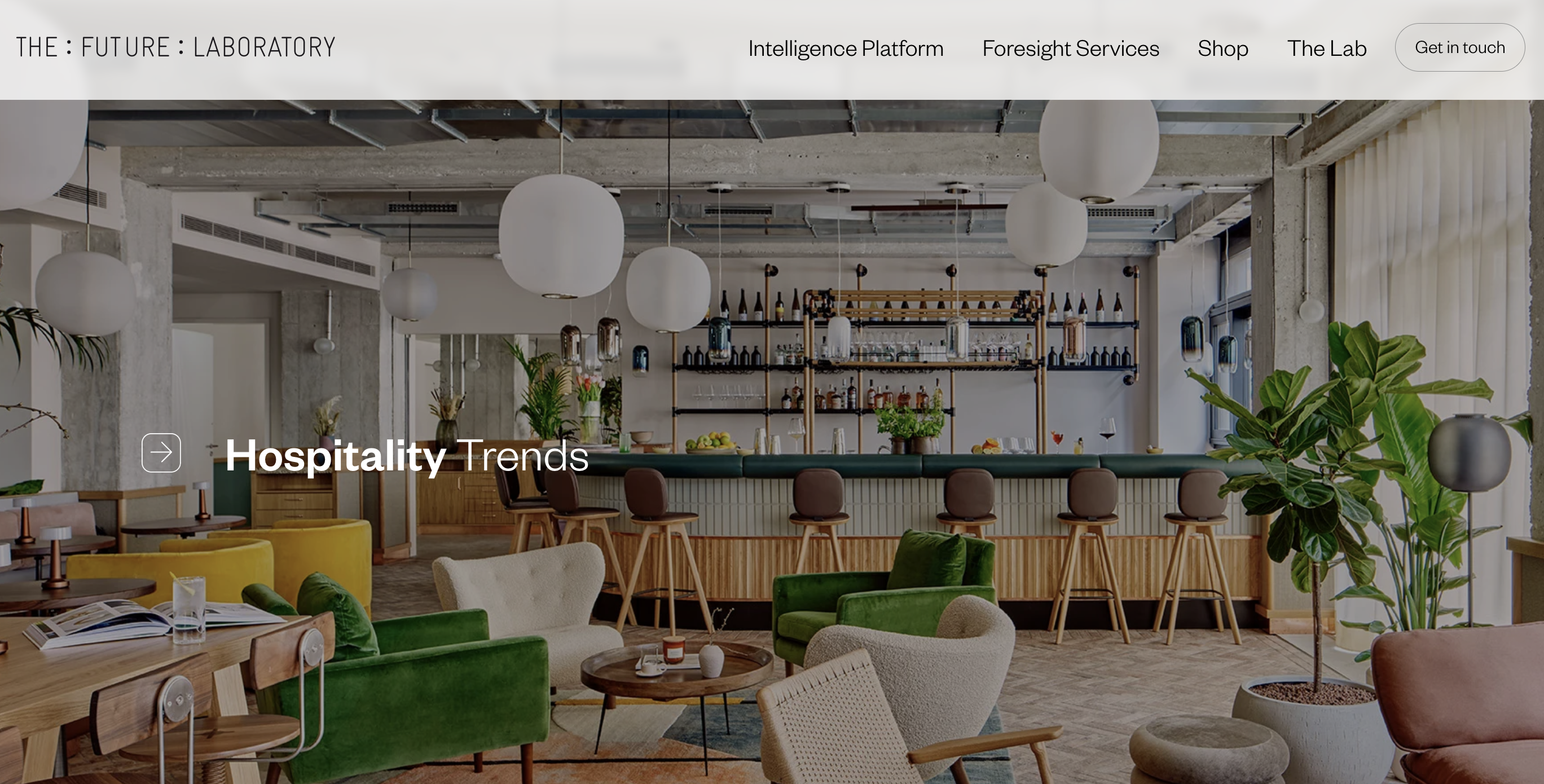
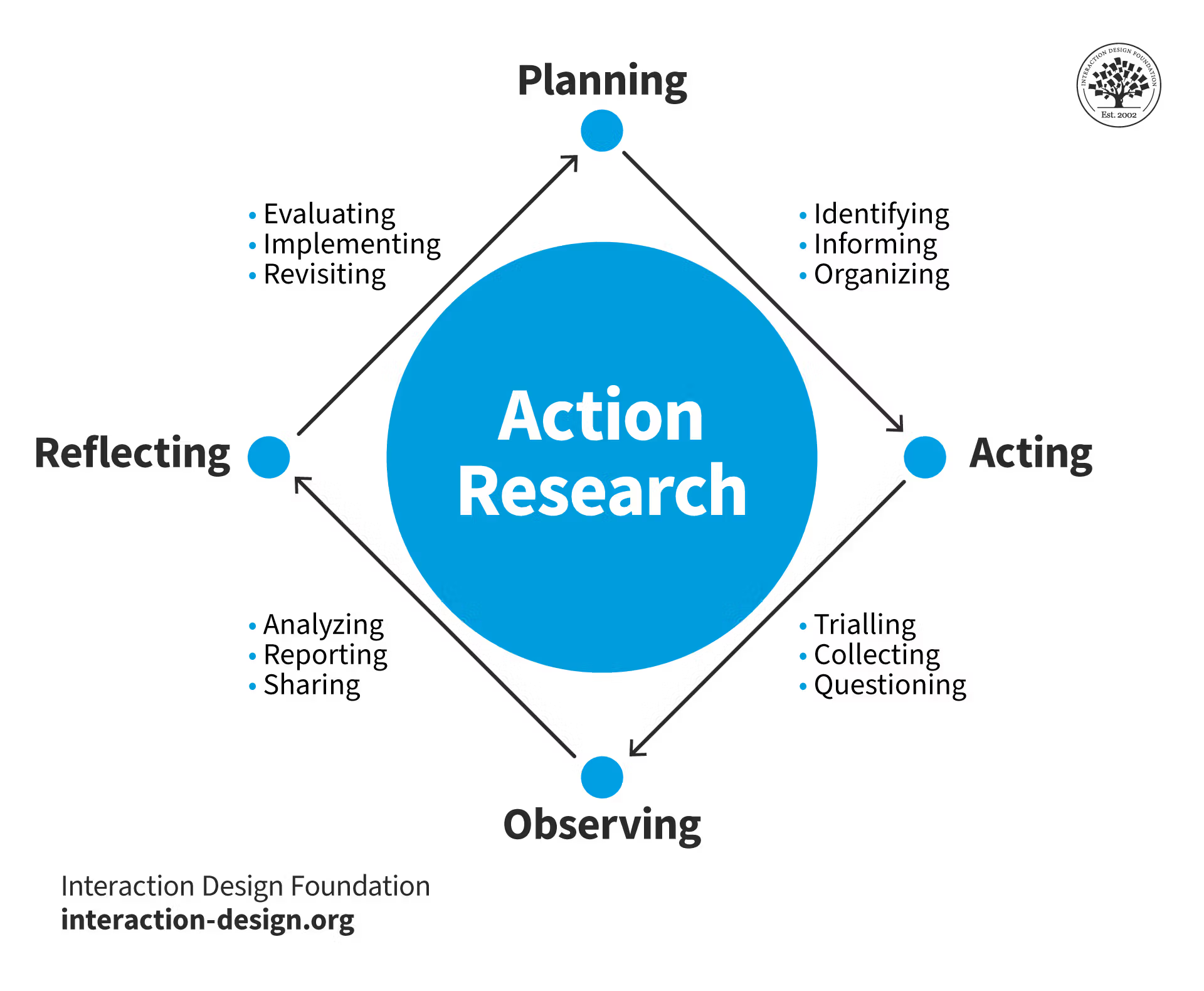
This research was introduced during the lecture and combined two complementary research frameworks, the Double Diamond and action research. As discussed in class, this process is not meant to be completed only once. Instead, it should be revisited multiple times, as continually re-evaluating ideas allows for refinement, iteration, and the discovery of new insights throughout the design process. Using the websites provided by Steve, we looked over some of the trends in healthcare and as well as technology. Since we were still slightly unclear after the lecture, we sought out an additional action research framework that more clearly explained the overall process and the steps within each phase. This resource helped clarify the structure and strengthened our understanding of how to apply action research effectively.

Action Research

This workshop focused on developing effective research methods specific to this course and demonstrated how strong research practices can support ideation, clarify direction, and help refine concepts throughout the design process.


Workshop 2

This workshop introduced us to VR and AR equipment from the MacTach, including how to use the tools properly and the care and handling required if we chose to incorporate them into our project.
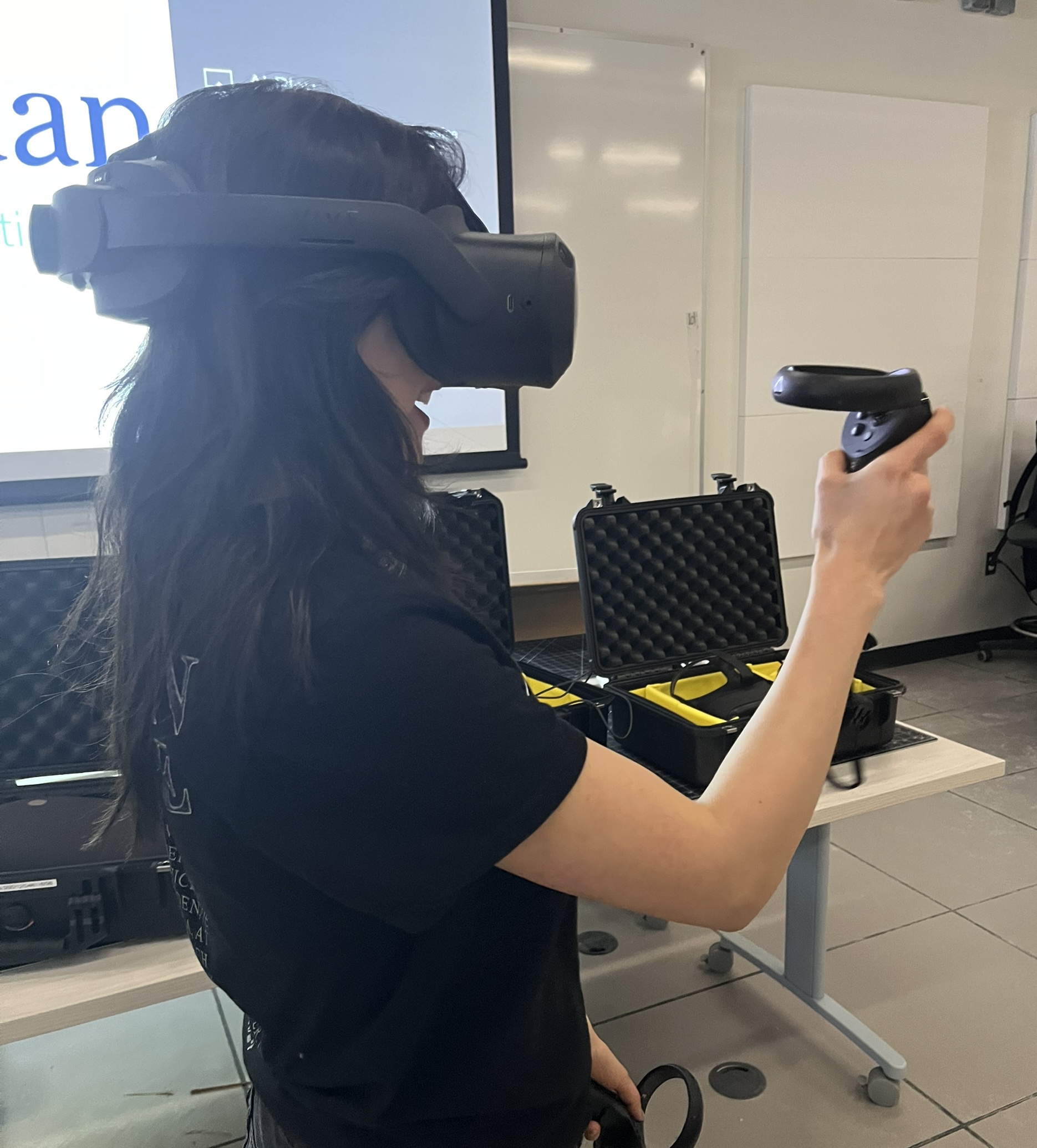
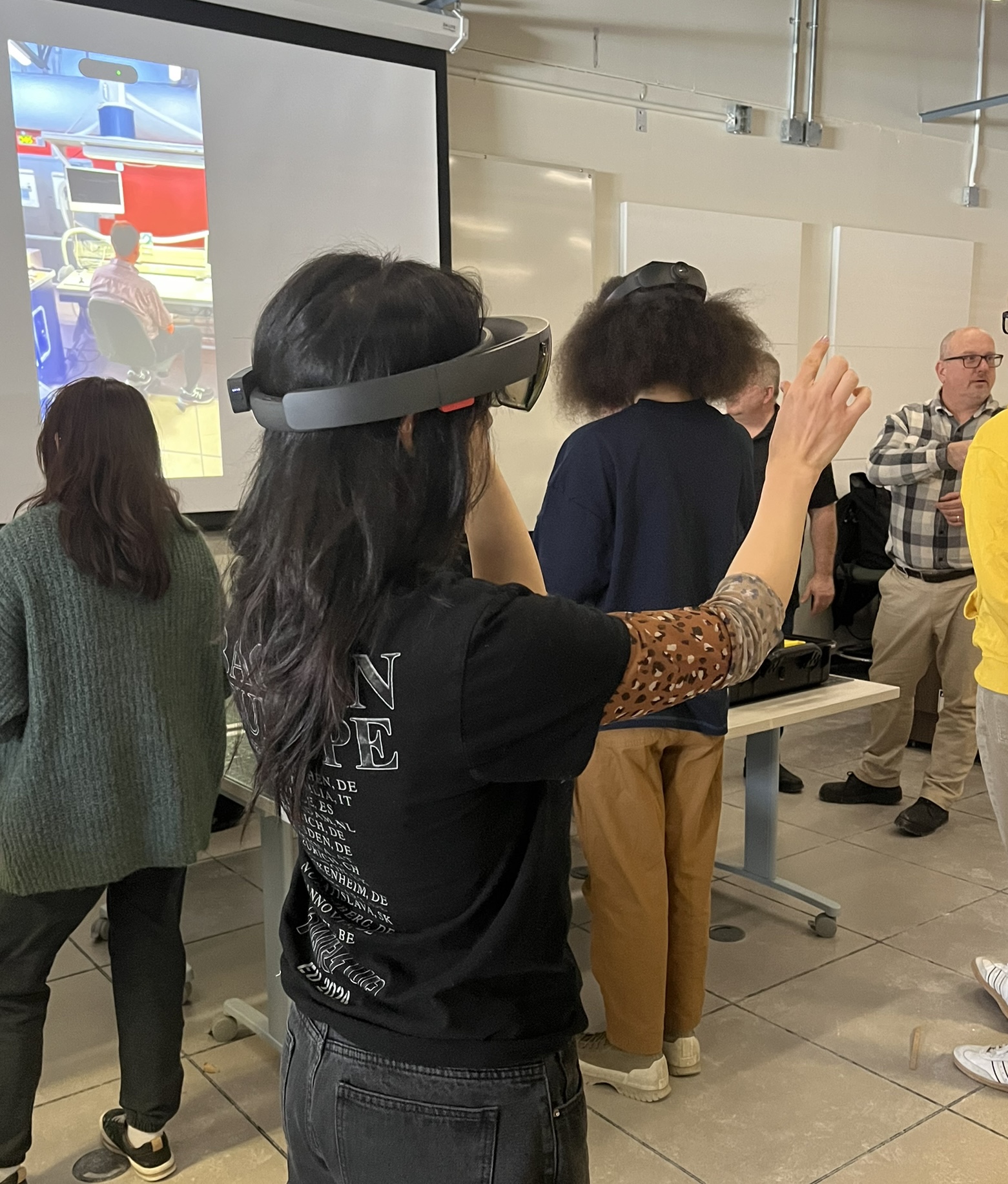
Here, we were playing around with the VR headset that the Mac techs brought in for us to test out and also tell us what we need to do if we wanted to sign them out and use them for our projects. Here Alejandra was playing with the AR headset, which we found out has a little bit more limitations. You're still able to see your surrounding, but also see the content in front of you. Meanwhile, VR, you're fully immersed into the environment. Because we were particularly drawn to the VR headset and AR tools, we began considering them as a potential direction for our project instead of the nutritional website. During this stage, we conducted a quick brainstorming session to explore initial ideas, especially since this took place toward the end of the class period.

Executive Function

This workshop highlighted the potential of VR and sparked our interest in possibly adapting our concept to focus more heavily on a VR-based experience.


Project 1


Project Concept

This is our rough final product for the idea we're considering going with.
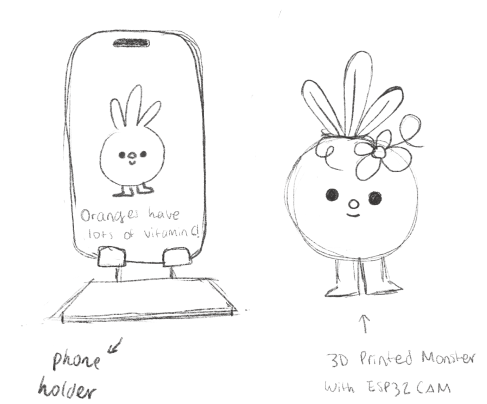
This is a rough sketch for our nutritional website, outlining the proposed interface along with an initial concept for the accompanying 3D model.

Testing Action Research

This section outlines how we conducted our research and translated it into actionable insights. For my individual contribution, the research was divided evenly among the group, and I was responsible for one half of the overall research process.
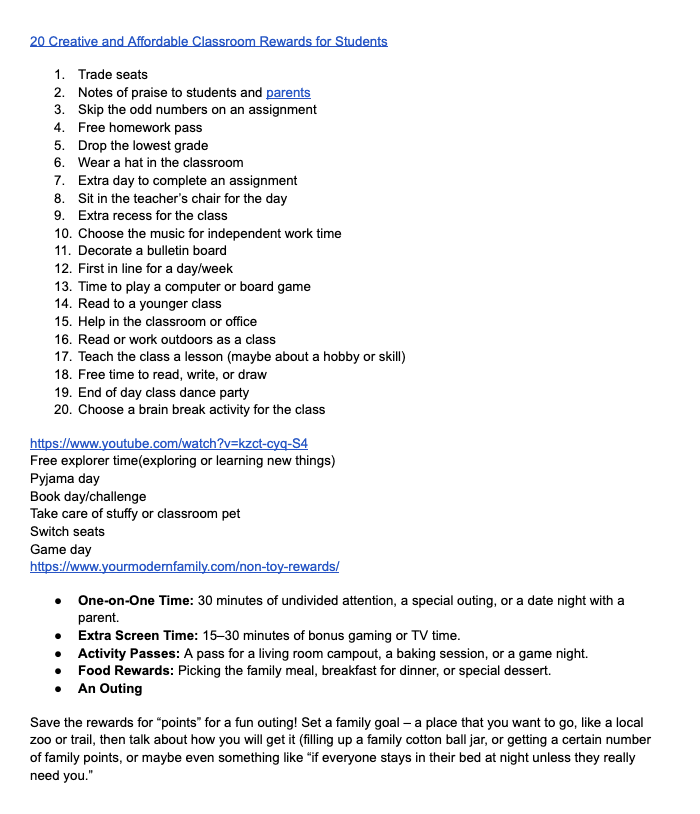
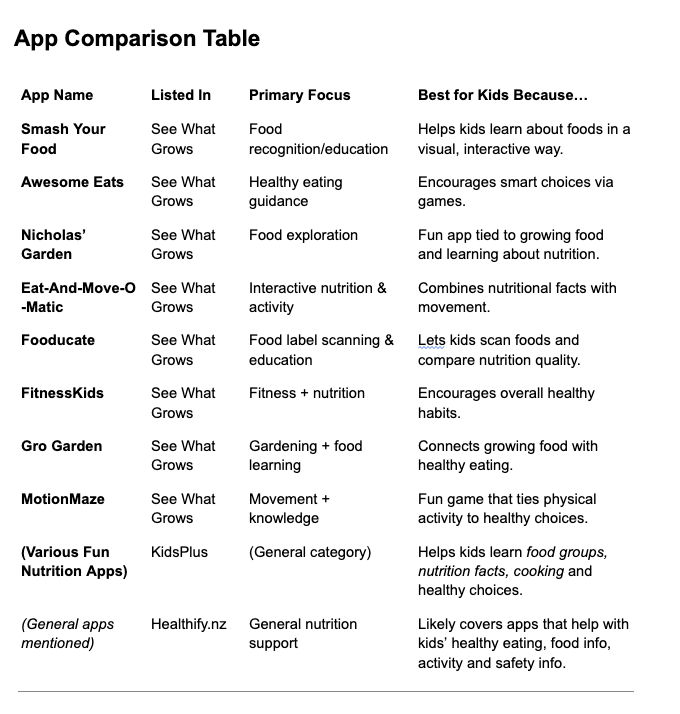
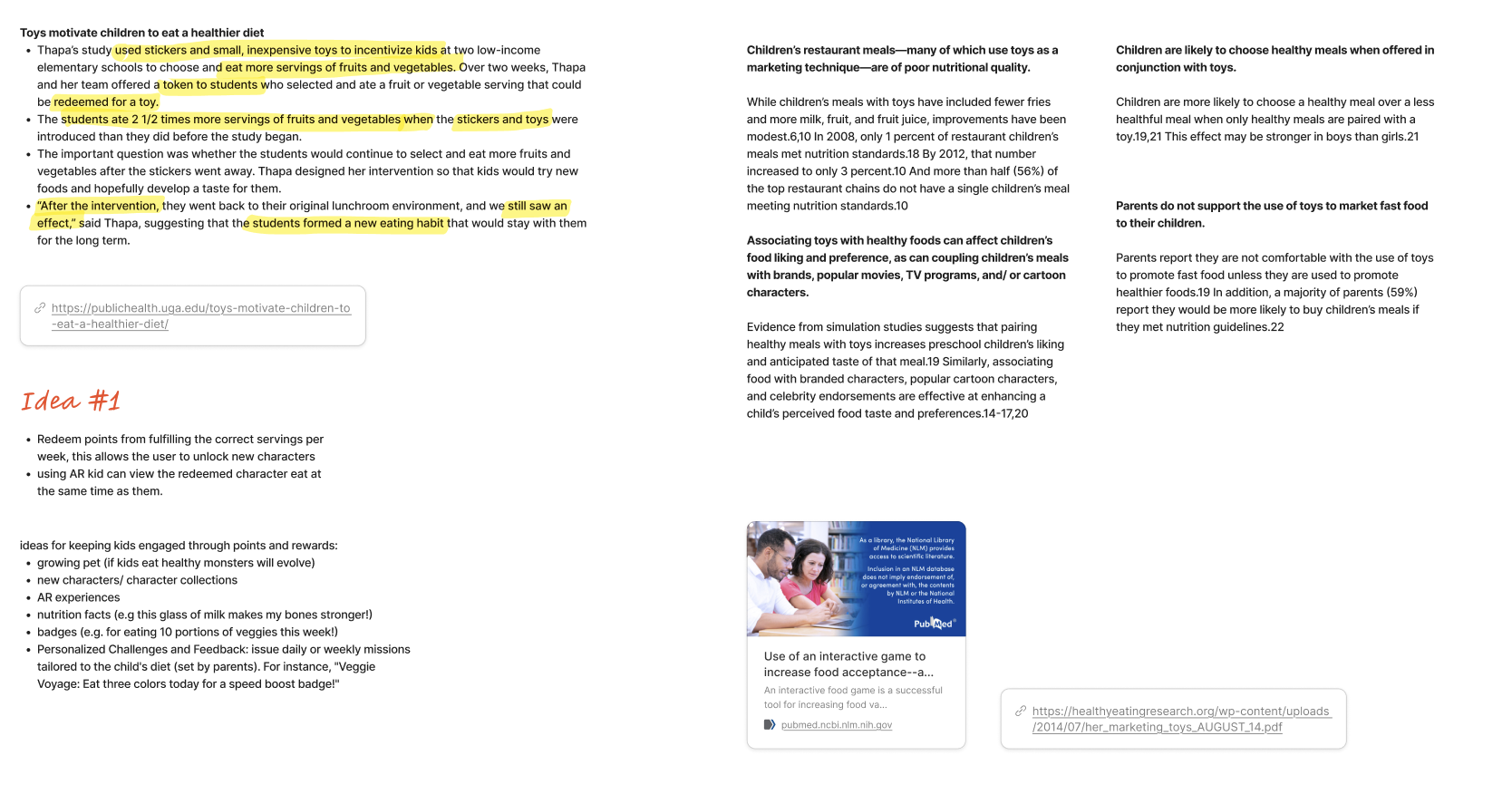
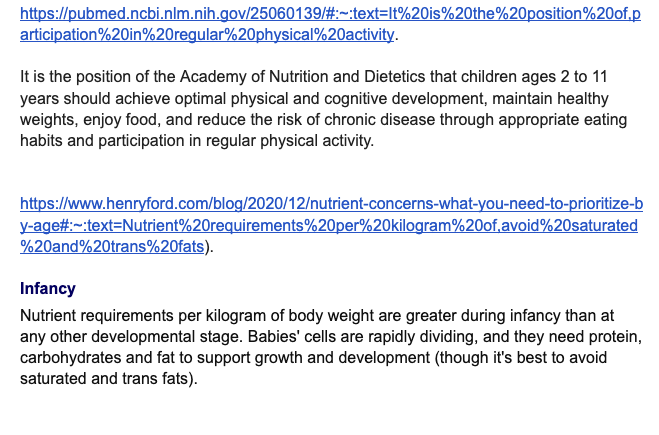
This Is the research I did to see other ways you can reward children. This is a research I did with other websites that are similar to what we want to do and just comparing them to what we want to achieve. Here, I did research on the most important ages or age groups of children of when they need to be eating or have the best eating habits.

Research Reflection

After completing this research, we identified several gaps in our initial concept and realized that our idea required further refinement. This action research encouraged us to think more critically and intentionally about our project, helping us clarify our concept, define our goals, and better understand what we wanted to achieve in the upcoming phases of the project.


Next Steps

As our next step, we plan to gather additional feedback to help us make a final decision on which direction to pursue—whether to continue developing the nutrition lab concept or pivot further toward a VR-based experience. As mentioned earlier, we were particularly drawn to VR due to its immersive qualities and the engaging experience it offers. While the technology has evolved since its initial introduction, it is still relatively new and presents exciting opportunities for exploration. Moving forward, we will assess both directions based on feasibility, time constraints, and available resources. With the remaining three months of the semester in mind, our goal is to choose a path that allows us to successfully develop either a semi-functional or fully working prototype within the project timeline.


×

Powered by w3.css